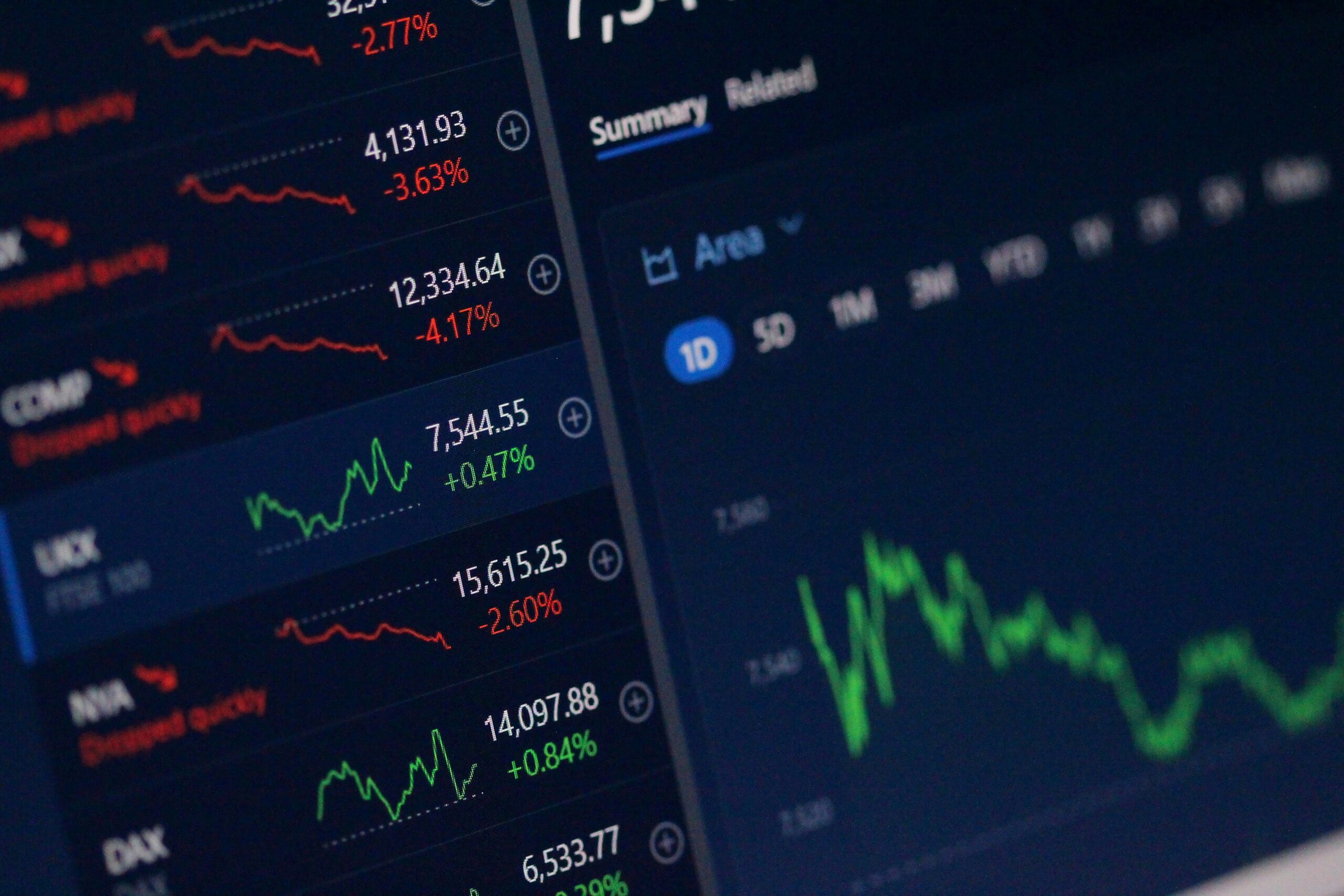
The Fantasy You Keep Buying Into
Trading side hustle fantasies exist only because people love easy money illusions, and this article tears that fantasy apart before it tears your bank account.
I’ve mocked countless side hustles on this blog, humiliating, messy, underpaid gigs that smell like wet fur and disappointment and even when I rip them apart, I still end with a reluctant well, at least you tried. But trading? Trading is the one side hustle that deserves a hard, loud, uncompromising HELL NO, because nothing else on this planet packages delusion, addiction, financial ruin and stupidity into such a sexy little box.
And of course you think it’s perfect for you, because you want a hustle that doesn’t require moving your body, using your brain, or facing the cold reality that actual money comes from actual work. Trading lets you sit at home in your holy grail habitat, slippers on, belly out, laptop balanced on your gut while you convince yourself you’re participating in high finance instead of just feeding liquidity to people who could buy and sell you before breakfast.
The PR doesn’t help. You can’t escape the viral videos of twenty-two-year-old “millionaires” lounging in silk robes like discount Renaissance princes, sipping iced coffee with the smugness of someone who has never paid rent on time, while they explain how they just executed a quick eight-thousand-dollar scalp, guys, super easy. Their six-monitor setups glow behind them like the command center of a child who maxed out his parents’ credit card on RGB lights. You watch these prodigies and somehow imagine you’ll become one of them, despite the fact that your most impressive digital achievement in the last decade was clearing your browser cache.
The Reality You Keep Refusing to Acknowledge
A side hustle is supposed to provide a cash injection, a little oxygen for your drowning finances, something to help you crawl out of the pit you dug with credit cards and impulsive decisions. Instead, trading transforms you into the injection, the donor, the financial blood bag connected directly to your broker, who smiles silently while you keep topping up your account like a malfunctioning ATM. There is no version of this fantasy where you win early, easily, or by accident, because the entire structure of retail trading mimics a casino, except a casino gives you free drinks and pretends to care whether you’re still alive.
ESMA’s regulatory data and European broker disclosures show that 74–89% of retail traders lose money on leveraged products. And if by some miracle you still think day trading might be different, quarterly studies happily remind you that 70% of day traders consistently bleed money, which is ironic because the only thing they’re consistently good at is posting motivational quotes on Instagram.
But sure, tell yourself you’re built different. Every loser before you did the same.
Why You Will Never Belong to the Winning Minority
You like to imagine that with just a little courage and maybe a new monitor, you’ll join the elite 5% who make money long-term. Meanwhile, the people in that tiny, statistically irrelevant group spend years obsessing over charts, consuming market theory like oxygen, and treating their craft with a level of seriousness that you haven’t applied to anything in your entire adult life.
They aren’t drawing lines randomly across their screen and calling it trend analysis. They aren’t watching EUR/USD while stirring spaghetti. They aren’t googling best indicator to get rich fast. They live in a world where losing is part of the process, gaining edge takes years, liquidity matters more than feelings, and discipline is enforced, not imagined.
Meanwhile you, with your YouTube education and your I’ll figure it out on the way, think you’ll magically outperform people who treat markets like a battlefield. They trade like soldiers; you trade like you’re scratching a lottery ticket in a gas station bathroom.
And let’s talk about the charts, because this is where the comedy truly begins. To become a profitable trader, you’d need years — years — of studying technical analysis, torturing your screen with every possible pattern like some deranged kindergarten artist who was handed crayons and trauma. You’ll draw bats, crabs, sharks, butterflies, and whatever mythical creature your favorite guru swears is high accuracy. Then you drown your screen in indicators, RSI, MACD, Stochastics, Bollinger Bands, Fibonacci spaghetti, until your chart looks like a neon vomit playlist. None of this will help you, but it will keep you entertained while your balance slowly dissolves.
And even if you somehow made it through that circus, discipline would body-slam you into the pavement. You think you have discipline because you skipped dessert last Tuesday, but wait until you have a losing trade dragging your confidence across the floor. You’ll fold faster than a cheap lawn chair.
The Downward Spiral You Pretend Won’t Happen to You
The problem is that you don’t want to spend years learning anything. You want money now, because your credit cards are aging like unrefrigerated milk and those payments won’t magically disappear just because you decided to believe in yourself. But instead of facing the truth, you’ll grab another credit card to pay for a guru course, the same guru who makes more money selling courses than trading, the same guru who films videos on rented yachts and then tells you to stay disciplined.
You’ll treat it like an investment in your future, even though it’s really an investment in his next vacation.
Then the real fun begins: you’ll blow your first trading account faster than you can say risk management, and because you believe in second (and third, and fourth) chances, you’ll deposit again. And again. And then you’ll justify it as part of the journey, which is the kind of nonsense people say right before their bank blocks their card.
The Psychological Damage Nobody Warned You About
Money loss is painful but manageable; the mental torture is where trading really shines as a side hustle straight from hell. You will experience emotional swings that make hormonal teenagers look stable. Euphoria when a trade goes your way, panic when it doesn’t, denial when the chart keeps sinking, anger at yourself, anger at Jerome Powell, anger at the universe, and finally that quiet shame when you realize you are fully addicted to flashing candles on a screen.
None of this builds character. It builds insomnia.
You’ll wake up at 3 a.m. to just check the chart, stare at your phone like it’s a toxic ex you can’t stop stalking, and spend entire mornings pretending you’re fine while your stomach digests pure anxiety. And the best part? The influencers who dragged you into this mess magically forget to mention the psychological demolition that comes standard with every trade.
Your Final Warning Before You Destroy Yourself
Whatever you do to earn extra income, walk dogs, deliver pizza, wash cars, shovel snow, fold laundry, sell junk from your garage, go ahead and do it with pride, because at least you’re improving your situation instead of incinerating it. But do not, under any circumstances, treat trading as a side hustle. It is not a solution, it is not a shortcut, and it is definitely not a rescue plan for people who can’t manage the mess they’re already in.
Trading is a wonderfully marketed machine designed to grind your confidence into powder, burn your savings, and squeeze your mental health like a stress ball someone found under a truck tire. It promises freedom and delivers chaos. It whispers opportunity and hands you exhaustion. It looks like a dream until you wake up broke.
If you still think you’re the exception, you’re exactly the kind of person the market loves most.
Keep reading, keep growing. BloodyFinance.