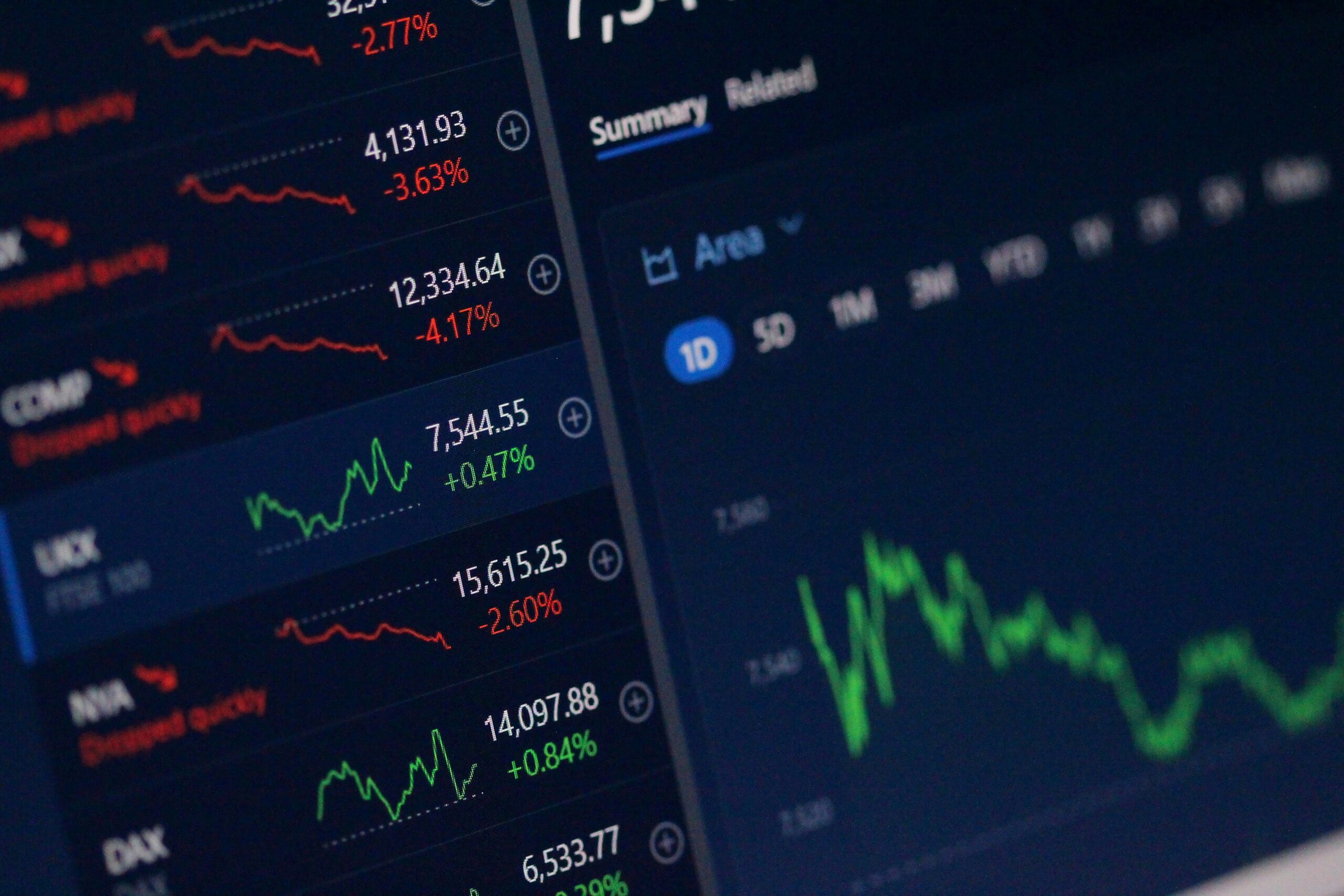
And here you are again, doing the exact thing you promised yourself you wouldn’t do one more time. You’re selling your crypto because it collapsed so badly that watching it any longer feels masochistic. What’s left after the sell isn’t capital anymore, it’s emotional wreckage a bit of cash, a lot of regret, and the strong desire to finally make a smart decision for once.
So you rotate into gold. Or silver. Or whatever asset is currently plastered all over headlines with fresh all-time highs. Charts going up. Analysts suddenly confident. Everyone nodding in agreement that this is the place to be. It feels calm. It feels mature. It feels safe.
You’ve just executed the most common, most reliable strategy in retail investing history. Buy high. Sell low. Again.
Before you spiral into self hate, relax. This isn’t because you’re stupid. It’s not because you didn’t read enough books or follow the right people. It’s because your brain is doing exactly what it was designed to do, protect you from pain. Unfortunately, markets don’t reward survival instincts. They exploit them.
Buy High Feels Smart Because Fear Finally Shuts Up
You don’t buy tops because you’re greedy. That’s the lazy explanation people use to feel superior. You buy tops because price going up long enough creates emotional permission. Other people are already in. The asset has proven itself. The fear that used to scream at you slowly fades, replaced by relief that you’re no longer standing alone on the sidelines.
Rising prices don’t register as danger to your brain. They register as validation. Social proof. Safety in numbers. The illusion that risk has already been dealt with. When you finally buy, it doesn’t feel reckless. It feels responsible. Like you waited, confirmed, and avoided being early like those idiots who bought before it was cool.
Of course, that’s exactly when risk is highest. But your brain doesn’t understand risk in terms of probability or valuation. It understands discomfort. And nothing feels more comfortable than buying something everyone already agrees on.
Sell Low Isn’t Panic. It’s Pain Management.
Now flip it. The position is deep red. Not slightly annoying red, but the kind that leaks into your mood, your sleep, and your self image. You stop checking prices for information and start checking them to see how bad it hurts today. Every bounce feels fake. Every positive take sounds delusional. The asset doesn’t just lose value, it loses dignity.
At that point, selling doesn’t feel like a mistake. It feels like mercy. You’re not locking in losses. You’re ending the suffering. And the truly destructive part is that the moment you sell, the pain actually stops. Anxiety drops. Your brain relaxes. Relief floods in.
So your brain learns the wrong lesson. It doesn’t care that you sold the bottom. It cares that selling worked emotionally. Next time, it will push you to do it faster, earlier, and with even more conviction. That’s how people train themselves into flawless buy high, sell low execution without ever realizing it.
You’ll Hunt for Discounts Everywhere. Except in Investing.
This is where it gets embarrassing.
When you’re buying a TV, you turn into a price sensitive monster. You compare stores. You refresh trackers. You’ll happily drive extra miles, burn fuel, and waste time just to save a few cents. Overpaying feels insulting. You want the deal. You want to feel clever.
Same with cars. Phones. Flights. Anything tangible.
But when it comes to investing, all that discipline mysteriously disappears. An asset is up 200%, smashing ATHs, drowning in hype, and instead of asking why it’s so expensive, you ask whether it can go even higher without you. You do the exact opposite of how you behave with every other purchase in your life.
Why? Because buying consumer goods doesn’t threaten your identity. Investing does. Missing out feels personal. It feels like proof that others are smarter, earlier, better than you. Your brain will gladly sacrifice price discipline if it means protecting your ego.
Knowing This Changes Almost Nothing
Here’s the part nobody likes to hear.
Understanding buy high, sell low intellectually doesn’t save you. You can read about behavioral finance, laugh at memes, nod along to threads, and still execute the same terrible timing when it’s your money and your fear on the line. Knowledge doesn’t override instinct. Under stress, your brain doesn’t consult theory. It defaults to habit.
And most investors train their habits horribly. They watch prices constantly. They react to noise. They make decisions while anxious, tired, or angry. They treat every market move like a personal message. Then they wonder why nothing ever improves.
The market isn’t punishing ignorance. It’s punishing emotional reactivity.
The Only Real Fix Is to Remove Yourself From the Moment
Now for the solution you won’t like, because it’s boring, unsexy, and incompatible with the fantasy version of you as a sharp market operator.
You don’t fix buy high, sell low by becoming calmer in the moment. You fix it by making sure the moment never exists. No dramatic clicks. No heroic decisions. No emotional crossroads.
Rules beat insight. Systems beat confidence. Distance beats self control.
You decide entries and exits when you’re calm, bored, and slightly uninterested, not when charts are screaming at you. You reduce how often you’re allowed to act. You automate where possible. You size positions so they don’t hijack your nervous system. You accept that feeling uncomfortable for long stretches isn’t a flaw of investing, it’s the entry fee.
Most importantly, you stop treating emotional relief as a signal.
If buying feels safe, you’re probably late.
If selling feels urgent, you’re probably early.
The goal isn’t to feel good about your decisions. The goal is to make decisions that don’t require your feelings at all.
Buy high, sell low isn’t a joke strategy. It’s the default setting of an untrained human brain. And unless you deliberately design around that fact, you’ll keep executing it perfectly for the rest of your life, while telling yourself that next time will be different.
It won’t. Unless you stop trusting your instincts and start treating them like the liability they are.
Keep reading. Keep growing. BloodyFinance.